Date & Location
12 March 2026
Birgu, Malta

12 March 2026
Birgu, Malta
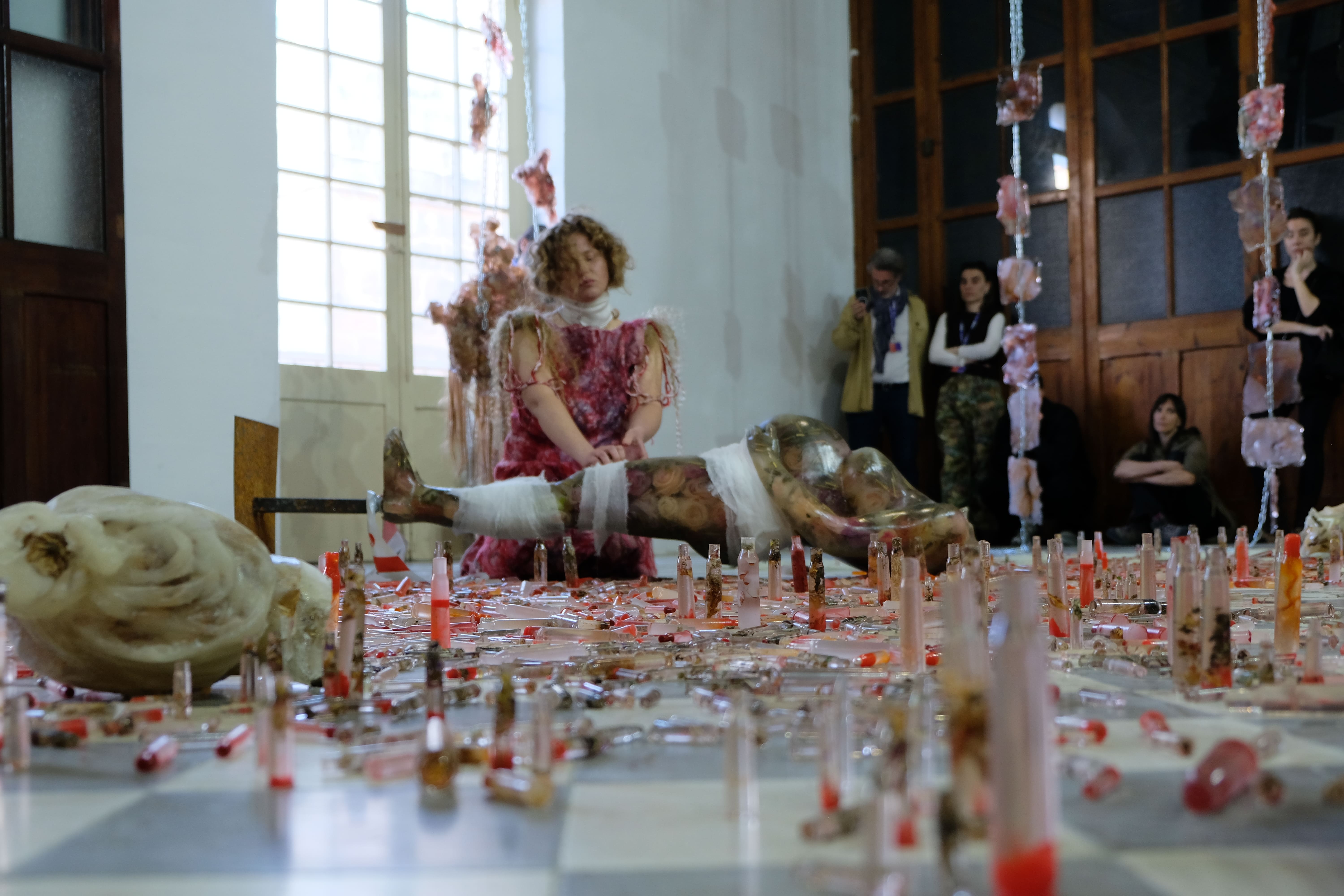
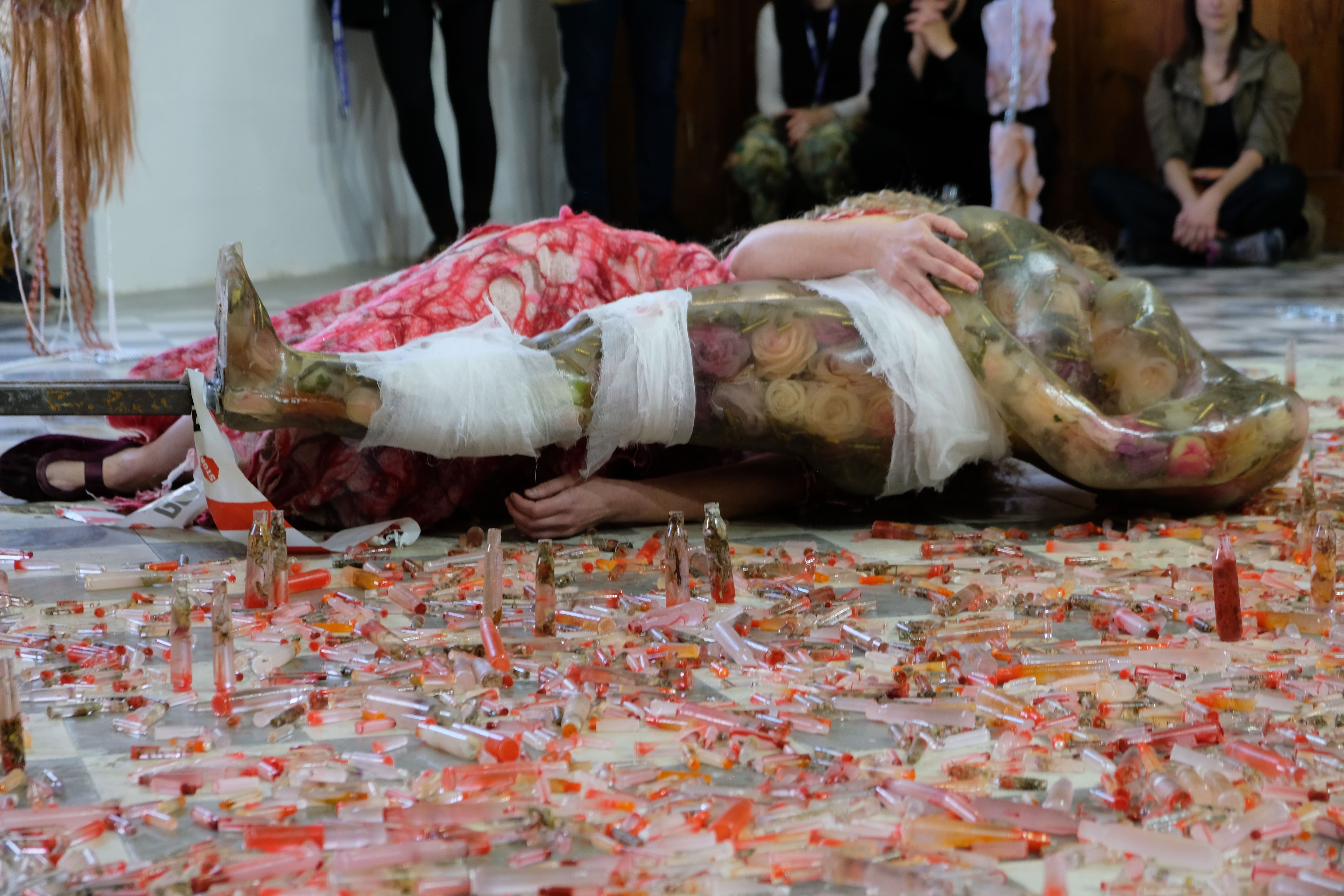
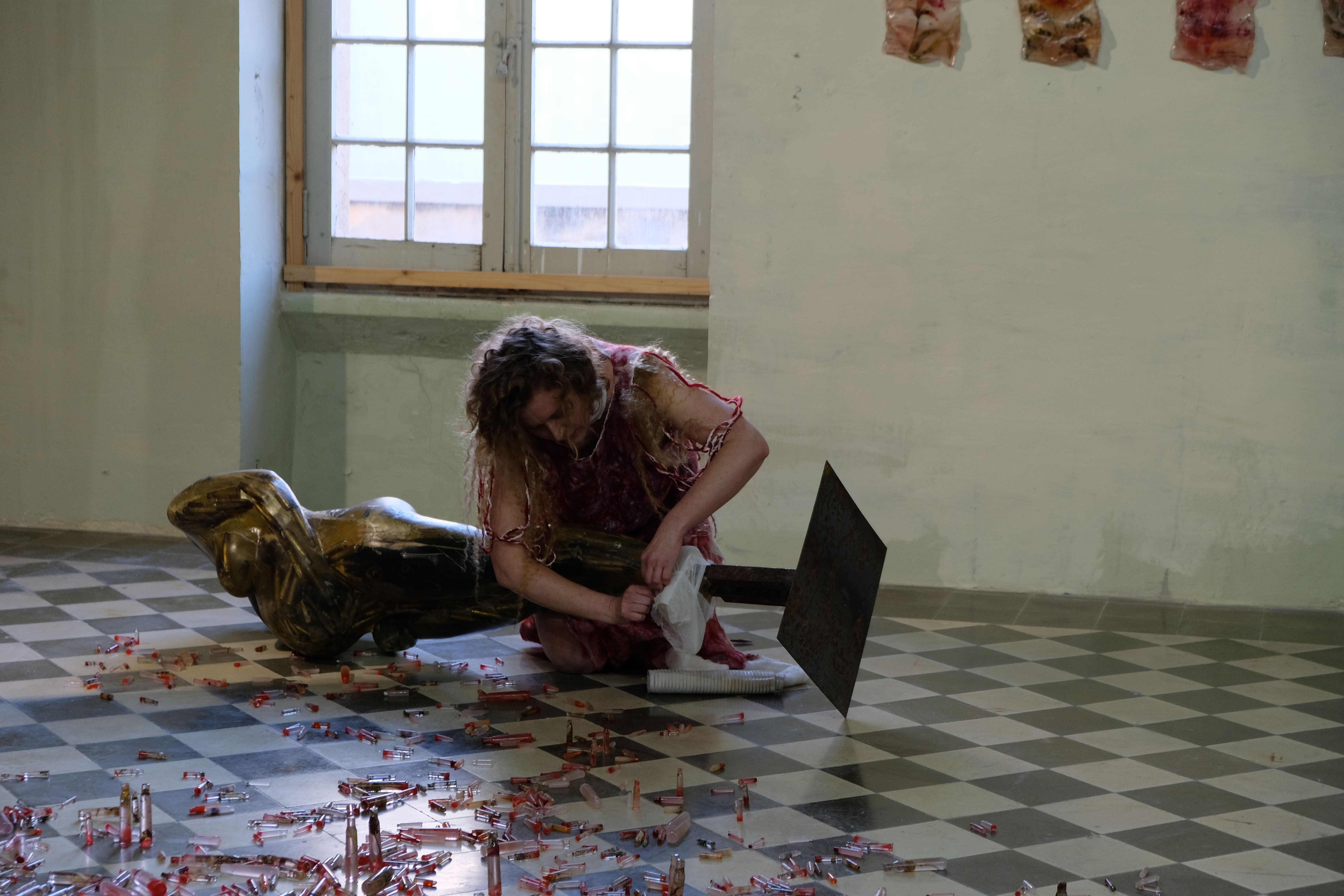
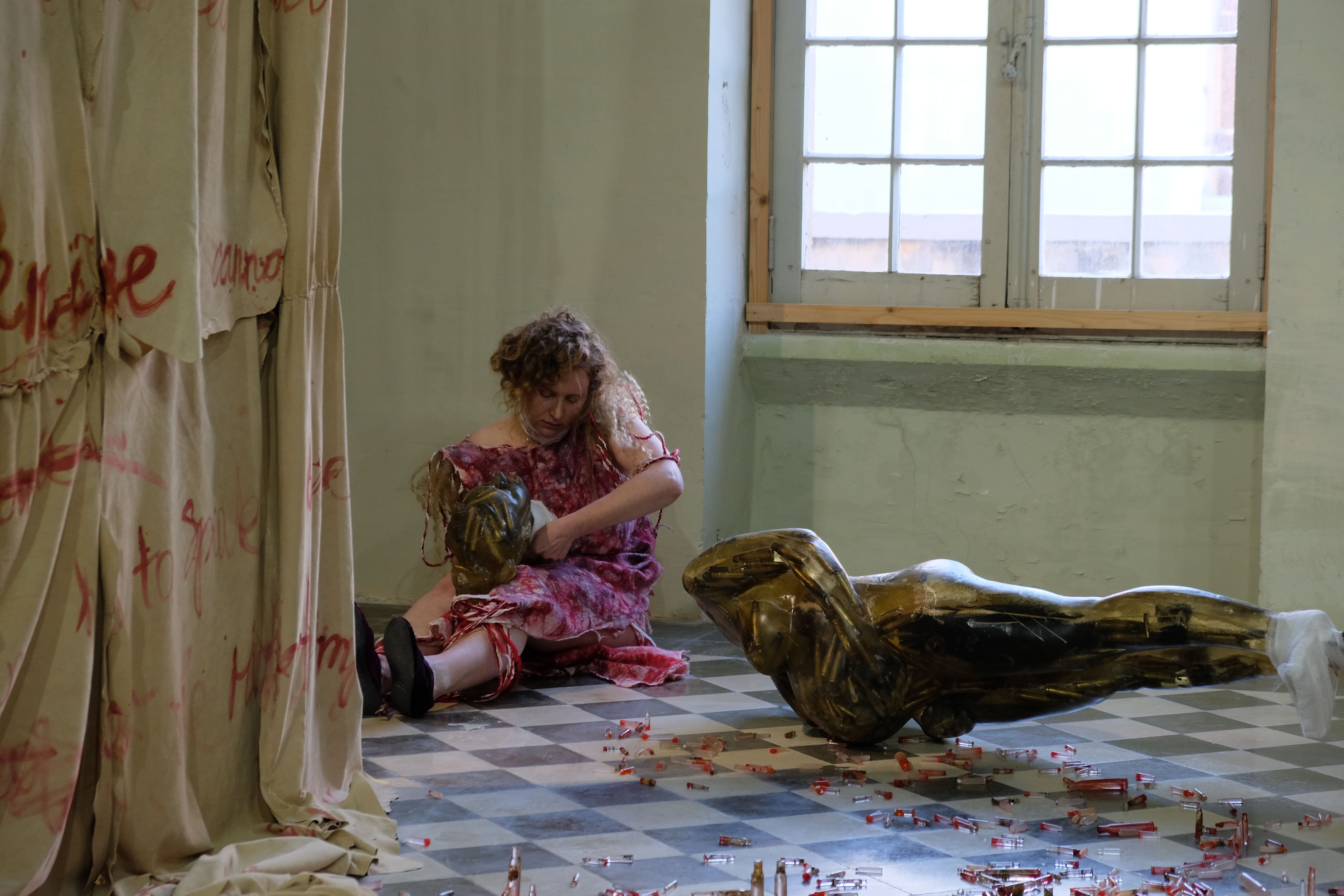
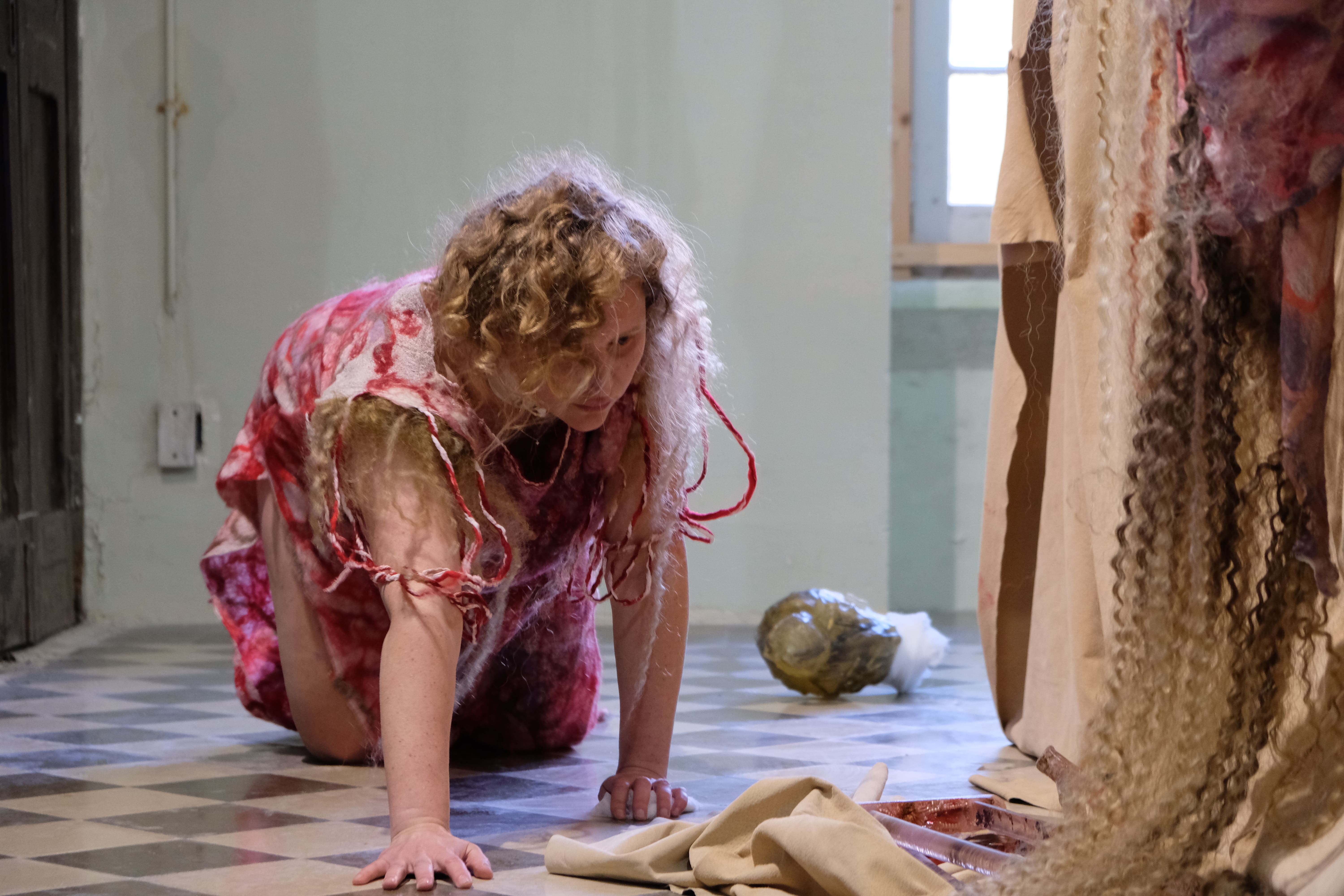
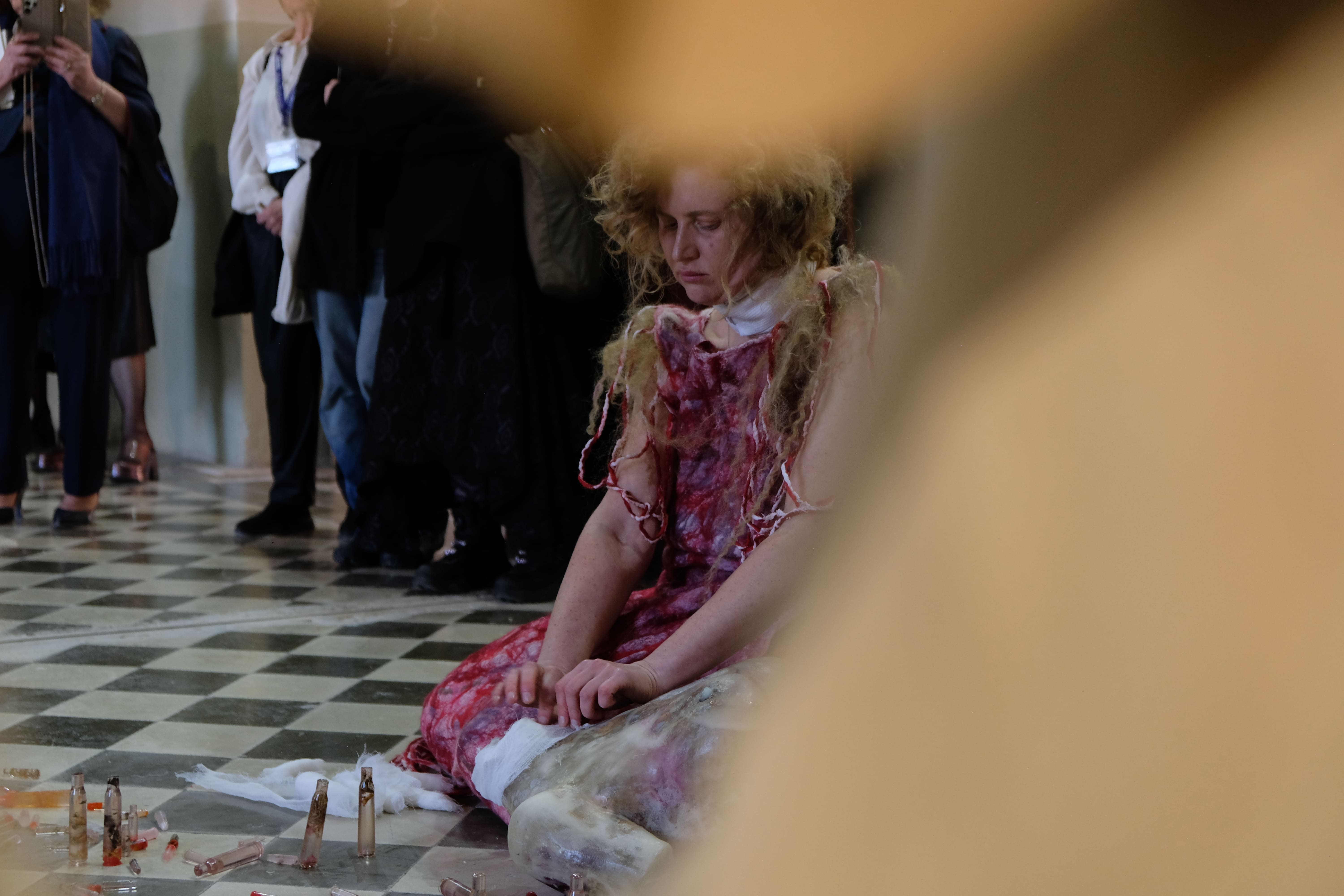
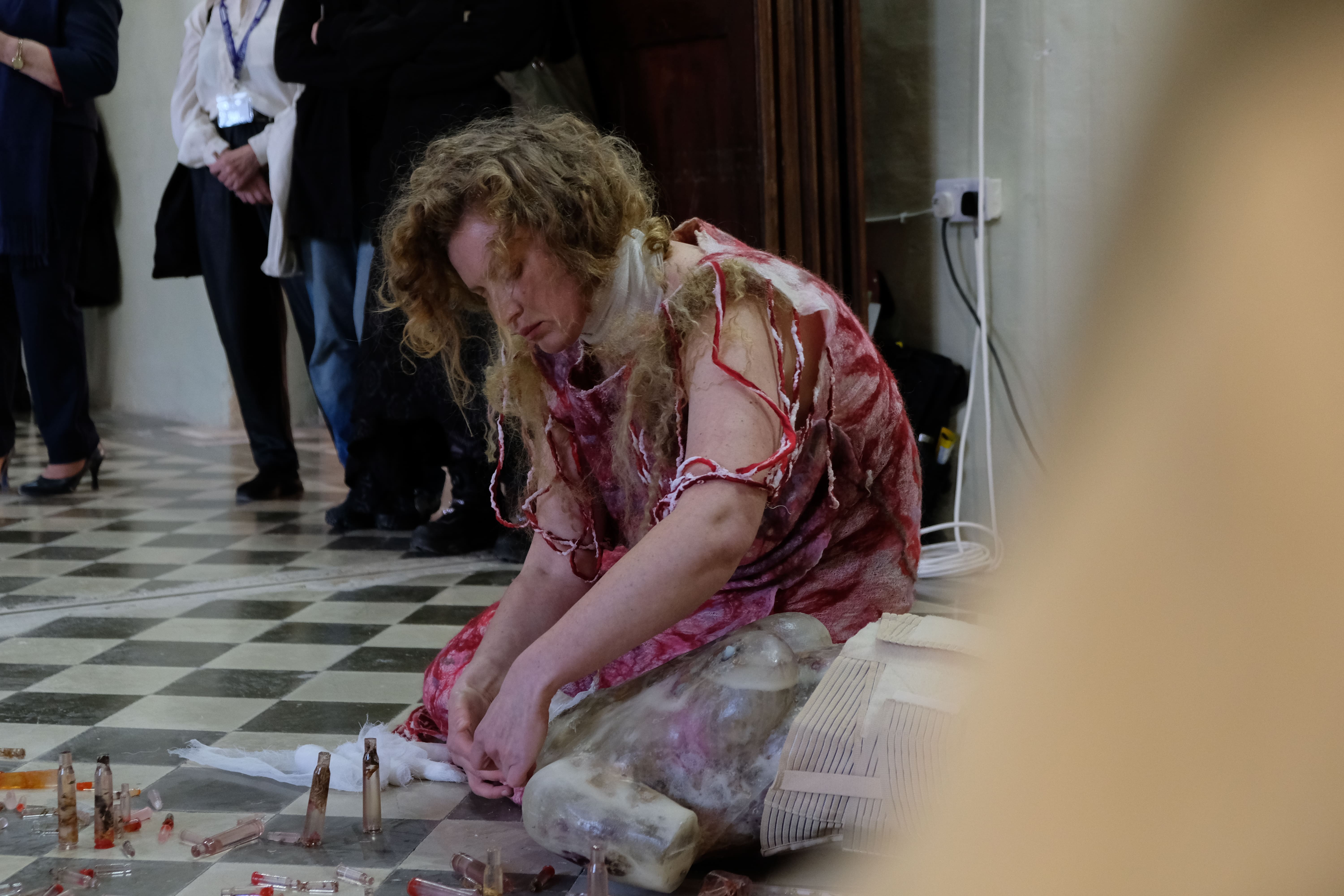
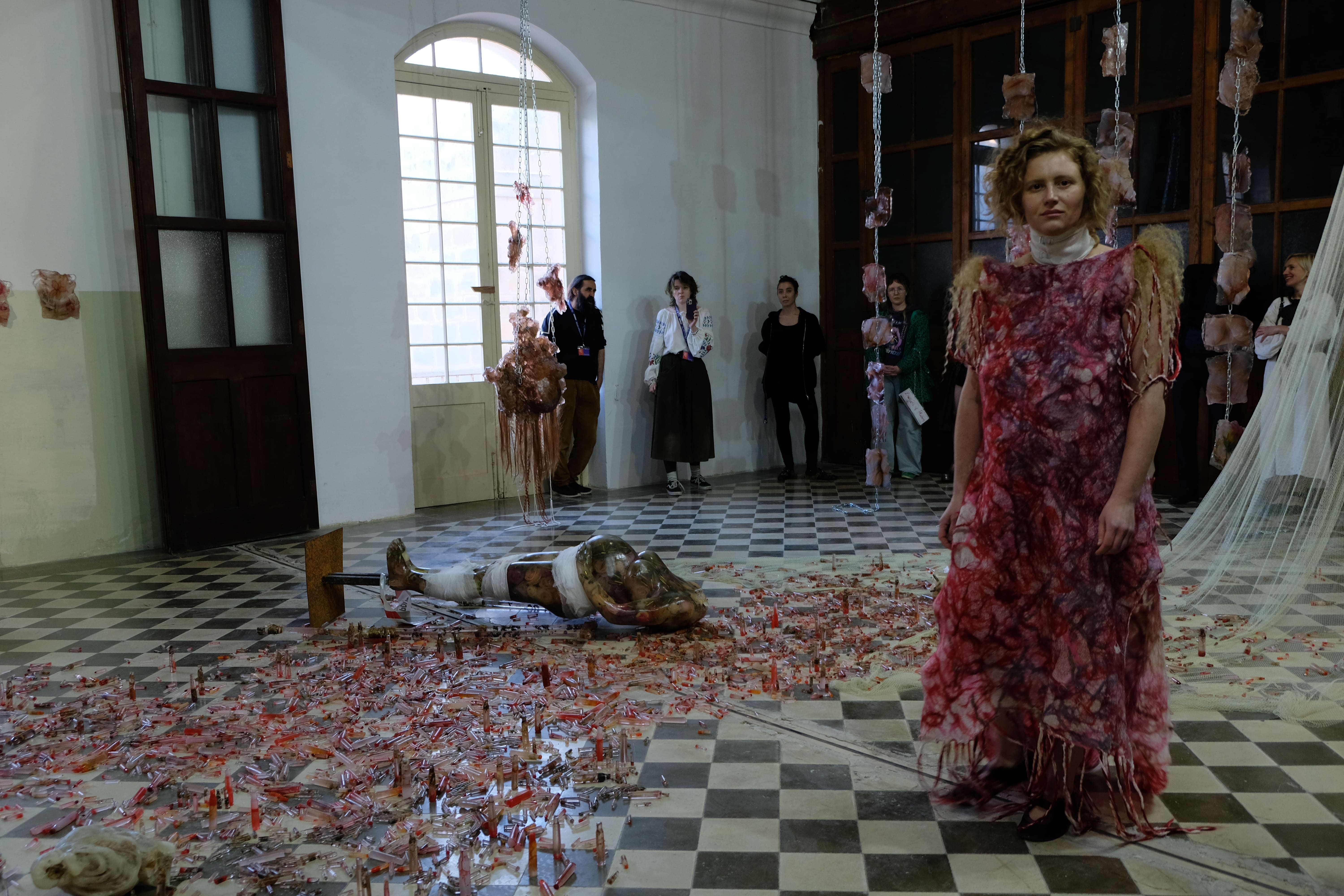
At opening of the Ukrainian thematic pavilion 'Bullets of Flowers' the artist performed an act of healing on sculptures that had been vandalized and destroyed in public space in Copenhagen on December 22, 2025. These works originated from the exhibition My Body Is a Battlefield.
.jpg)
The most significant sensory element of the opening of the Ukrainian thematic pavilion Bullets of Flowers was an artistic intervention by Mariia Kulykovska. The artist performed an act of healing on sculptures that had been vandalized and destroyed in public space in Copenhagen on December 22, 2025. These works originated from the exhibition My Body Is a Battlefield.
“By healing them, Mariia demonstrates how resilient, strong, and unbreakable she is within herself — precisely the way the world today asks all of us to be. She is that way. And she always has been — but on her own terms.”
— Esther Csillag, curator of the pavilion, in her opening speech.
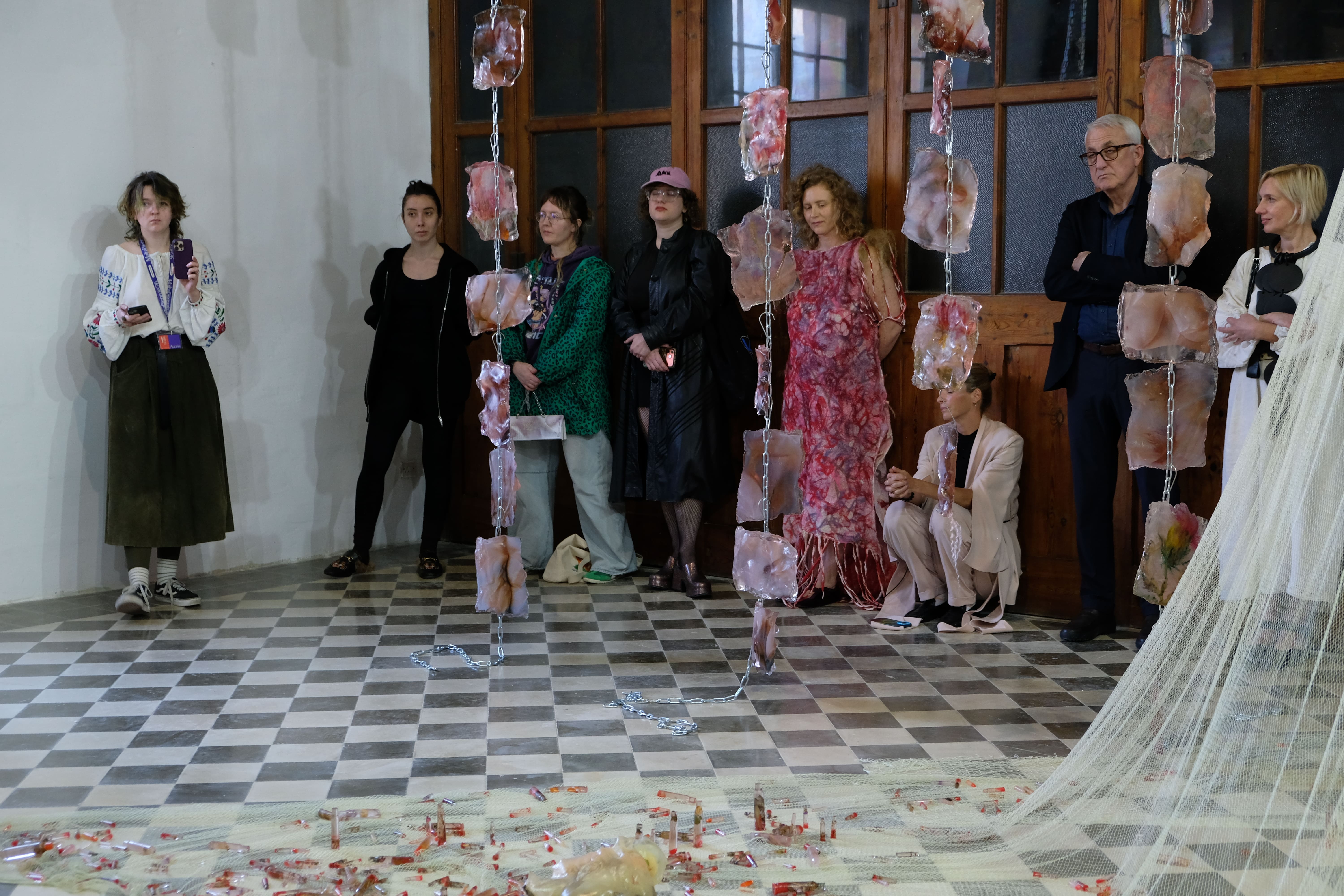
The presence of these sculptures within the pavilion constitutes an act of artistic resilience, as Kulykovska embraces their destruction and publicly exhibits her own damaged bodies, transforming them into a new work of art. Two of the three sculptures are pregnant figures, and each is a cast of the artist’s own body, making them a reflection on both cultural and personal bodily vulnerability during wartime.
However, as a woman artist, Kulykovska’s focus at Malta Biennale 2026 is specifically on healing. On the day of the pavilion’s opening — at 3:45 p.m., the exact time of her birth — she performed an action during which she “treated” the epoxy sculptures.
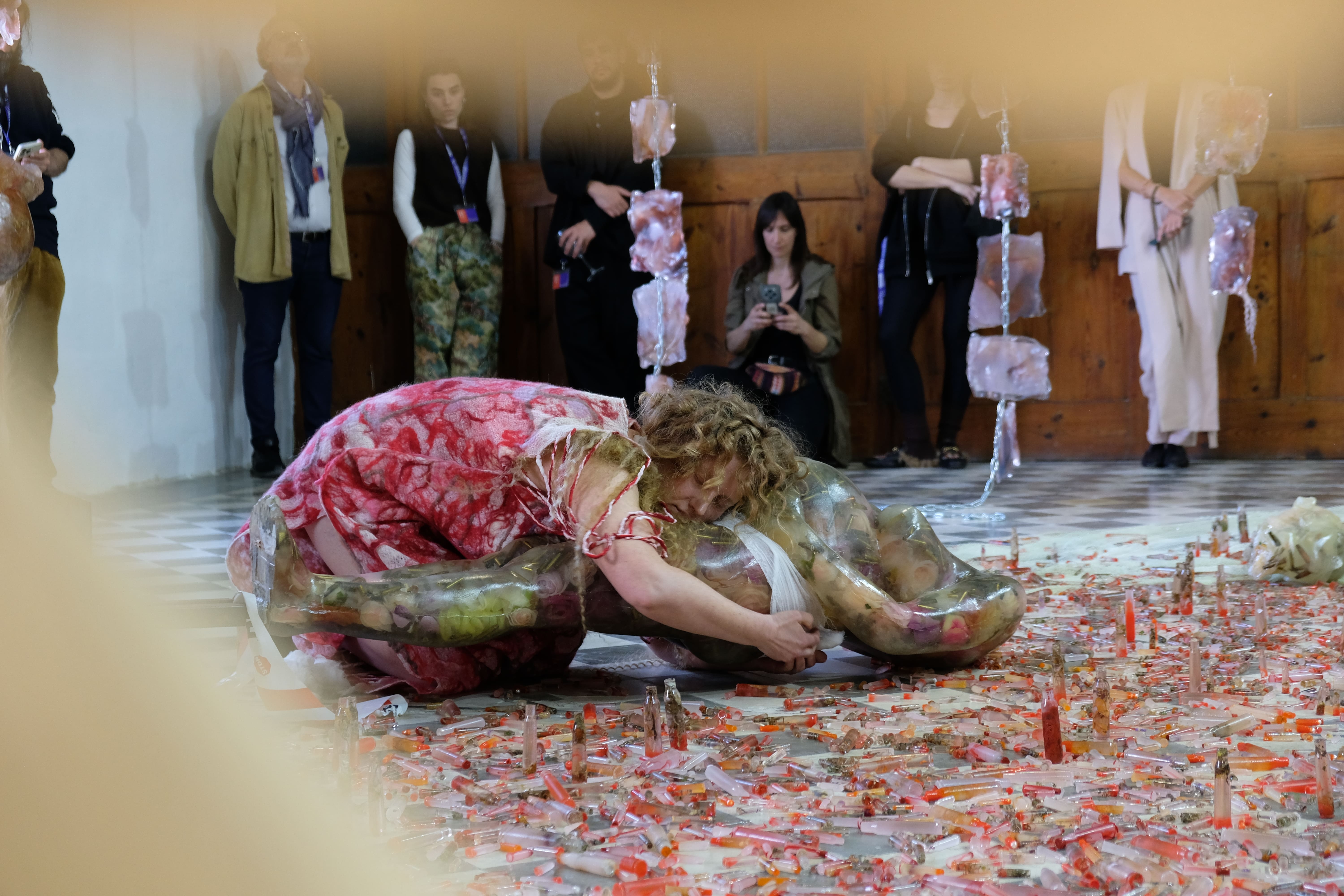
As if moving in rhythm with the soundscape of the pavilion and her own whispering voice, Mariia embraced the sculptures, rocked them gently, pressed her ear against her “own” pregnant belly, lay down beside them on the floor, and wrapped them in bandages. Into these bandages and bindings, the artist incorporated strands of hair woven into her dress — hair matching the color of her own hair, as well as that of her mother and daughter. Mariia explains that hair consists of dead skin cells whose purpose is to protect the human body; she extends this symbolism into the performance, using it to protect the wounded sculptures.
In addition to the hair, she inserted epoxy shell casings into the bandages — the same forms that fill the entire pavilion space. These are transparent replicas of shell casings that were sent to the artist from frontline and recently de-occupied territories. They are now filled with herbs and flowers prepared according to the healing recipes of her grandmother, who recently died under occupation. Once, these shells caused harm and carried pain; now they no longer exist except as ghostly forms of the past, while their true meaning and significance have been transformed into the herbs they contain — herbs capable of healing and restoration.
This performative act of healing represents the culmination of the pavilion’s message: that which has been broken and restored becomes stronger than that which has never been damaged.
.jpg)
.jpg)
.jpg)